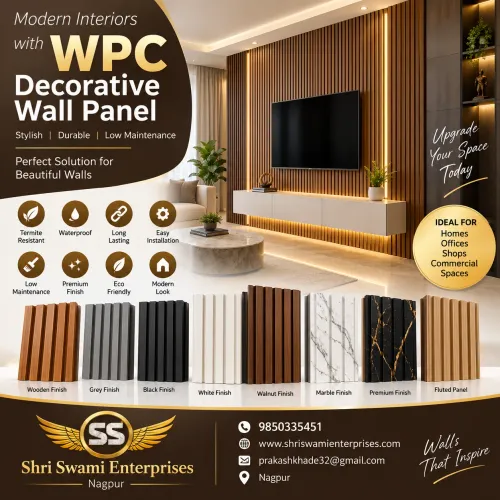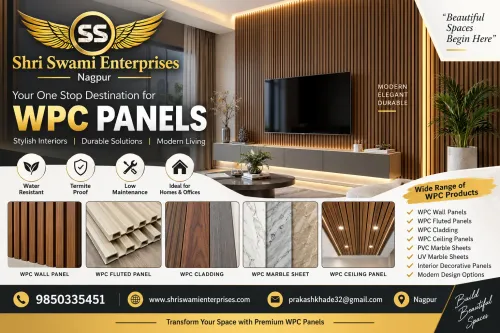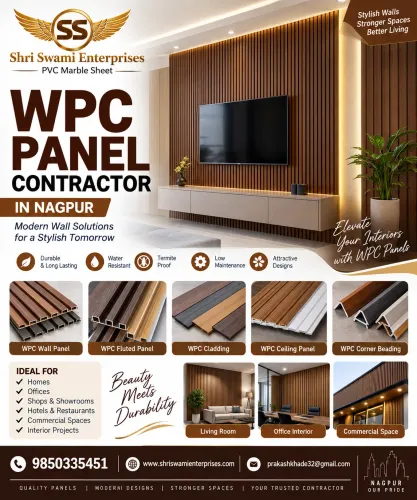

Fluted panels are decorative (and sometimes functional) wall or furniture elements featuring vertical grooves or ridges carved or molded into the surface. They’ve become a major trend in modern interiors because they add texture, depth, and a refined architectural feel.
Key characteristics
Vertical grooves (most common), though horizontal versions exist
Create a play of light and shadow, adding visual interest
Can be subtle or bold depending on groove depth and spacing
Available in various materials and finishes
Common materials
Wood / veneer – warm, natural, premium look
MDF (medium-density fiberboard) – affordable, paintable, widely used
PVC / WPC panels – moisture-resistant, good for bathrooms
Plaster or gypsum – for custom architectural detailing
Metal or laminate – for sleek, contemporary designs
Where they’re used
Feature walls (living rooms, bedrooms)
TV backdrops
Cabinet fronts and wardrobes
Kitchen islands
Reception desks and commercial interiors
Why people use them
Adds texture without clutter
Makes spaces feel more luxurious and layered
Helps subtly hide imperfections in walls
Can improve acoustics slightly by diffusing sound
Design tips
Pair with indirect lighting (LED strips or wall washers) to enhance the grooves
Use neutral tones for a minimalist look, or darker shades for drama
Combine with smooth surfaces (like marble or plain paint) for contrast
Don’t overuse—too many fluted surfaces can feel busy
Key characteristics
Vertical grooves (most common), though horizontal versions exist
Create a play of light and shadow, adding visual interest
Can be subtle or bold depending on groove depth and spacing
Available in various materials and finishes
Common materials
Wood / veneer – warm, natural, premium look
MDF (medium-density fiberboard) – affordable, paintable, widely used
PVC / WPC panels – moisture-resistant, good for bathrooms
Plaster or gypsum – for custom architectural detailing
Metal or laminate – for sleek, contemporary designs
Where they’re used
Feature walls (living rooms, bedrooms)
TV backdrops
Cabinet fronts and wardrobes
Kitchen islands
Reception desks and commercial interiors
Why people use them
Adds texture without clutter
Makes spaces feel more luxurious and layered
Helps subtly hide imperfections in walls
Can improve acoustics slightly by diffusing sound
Design tips
Pair with indirect lighting (LED strips or wall washers) to enhance the grooves
Use neutral tones for a minimalist look, or darker shades for drama
Combine with smooth surfaces (like marble or plain paint) for contrast
Don’t overuse—too many fluted surfaces can feel busy
Keywords